
Where can we go from your spirit, full of fear. And where can we flee from your face, o Creator, death? We cannot go up to the heights, We cannot go down to the lowlands, For there is the plague.* And Haile Selassie, not yet emperor, wrote in his autobiography: After this, from the 1stContinue reading “Ethiopia – The Swift Arrival and Departure of the Flu Pandemic – 1918”
Author Archives: seville46
Hannā Diyāb from Aleppo Witnesses Plague, the Great Frost and Famine in Paris – 1708

Hannā Diyāb was a young Christian from Aleppo. Taken on as a servant by Paul Lucas, a buyer of antiques for Louis XIV, he travelled with him to Europe and, fifty years later, sat down to write a charming and amusing account of his adventures. Translated from the Arabic manuscript by Paul Lunde, The ManContinue reading “Hannā Diyāb from Aleppo Witnesses Plague, the Great Frost and Famine in Paris – 1708”
Mao Tse-tung bids Farewell to the God of Plague
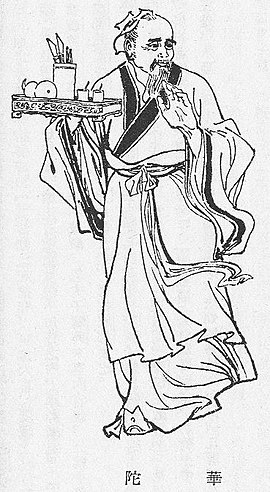
July 1, 1958 When I read in the Renmin Ribao of June 30, 1958 that schistosomiasis had been wiped out in Yukiang County, thoughts thronged my mind and I could not sleep. In the warm morning breeze next day, as sunlight falls on my window, I look towards the distant southern sky and in myContinue reading “Mao Tse-tung bids Farewell to the God of Plague”
The International Community Battles the Typhus Epidemic – Serbia 1914-15

While the Influenza Pandemic of 1918-20 is well known and much discussed, few remember the Typhus Epidemic that preceded it in Serbia. The country had just emerged from the Turkish and Bulgarian wars of 1912 and 1913, before being plunged in 1914 into World War I. Resources were stretched and resistance low, Serbia begged forContinue reading “The International Community Battles the Typhus Epidemic – Serbia 1914-15”
The Plague at Athens – 430 B.C.

When the plague, in which some 25% of the population died, struck Athens in 430 B.C., Thucydides, the great historian and general, caught it and recovered. In his major work, The History of the Peloponnesian War, he not only describes the clinical aspects of the disease, but also its social, economic and psychological impact. NumerousContinue reading “The Plague at Athens – 430 B.C.”
Cambridge and the Plague
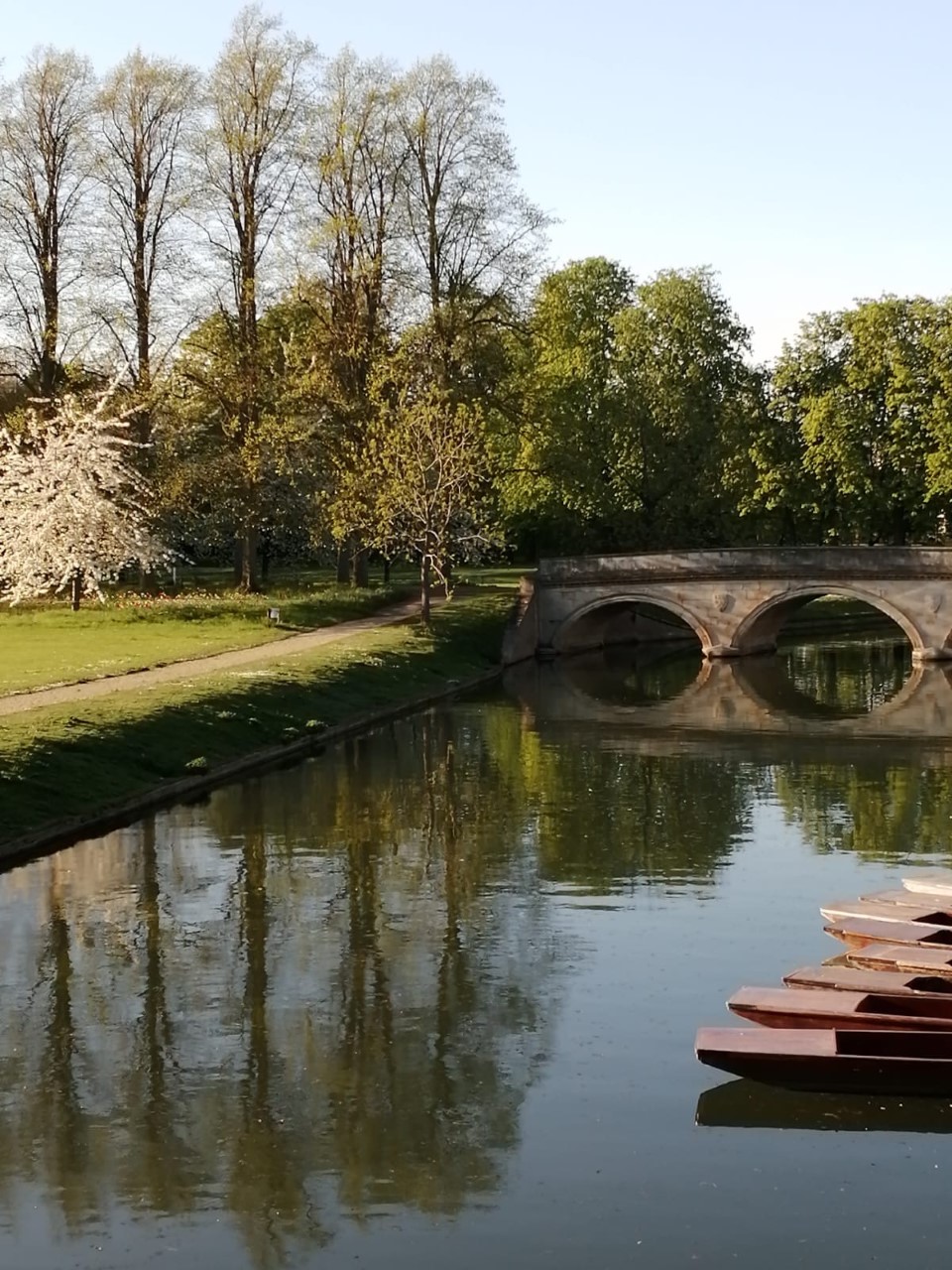
A friend kindly reminded me that his college, Trinity Hall (1350), as well as Gonville Hall (1348), Corpus Christi (1352) and Clare Hall (1359), were founded in a large part to remedy the terrible lack of clergy, nearly half of whom had died in the Black Death. Although I could not find a first personContinue reading “Cambridge and the Plague”
Pushkin in Quarantine at Boldino 1830 A.D.
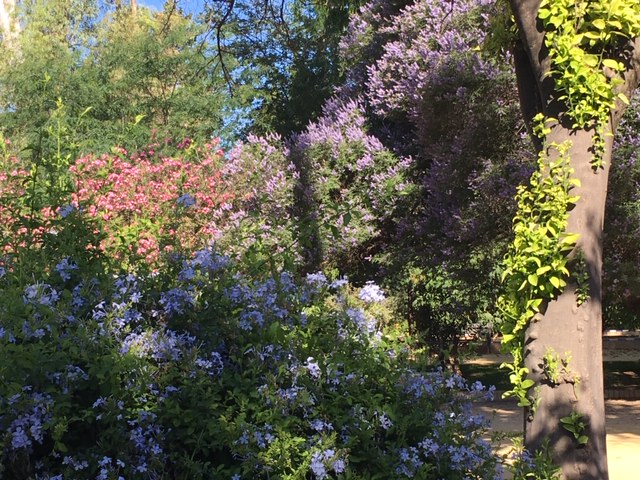
In the autumn of 1830, Alexander Pushkin was at Boldino, the family estate near Nizhny Novgorod, for the funeral of an uncle, when he was forced into quarantine on account of the cholera epidemic spreading from the south. Forced to put off his wedding to the ravishing Natalia Goncharova, those three months were, nevertheless, perhapsContinue reading “Pushkin in Quarantine at Boldino 1830 A.D.”
A Redeemed Slave Waits to Go Home – 1742 A.D.
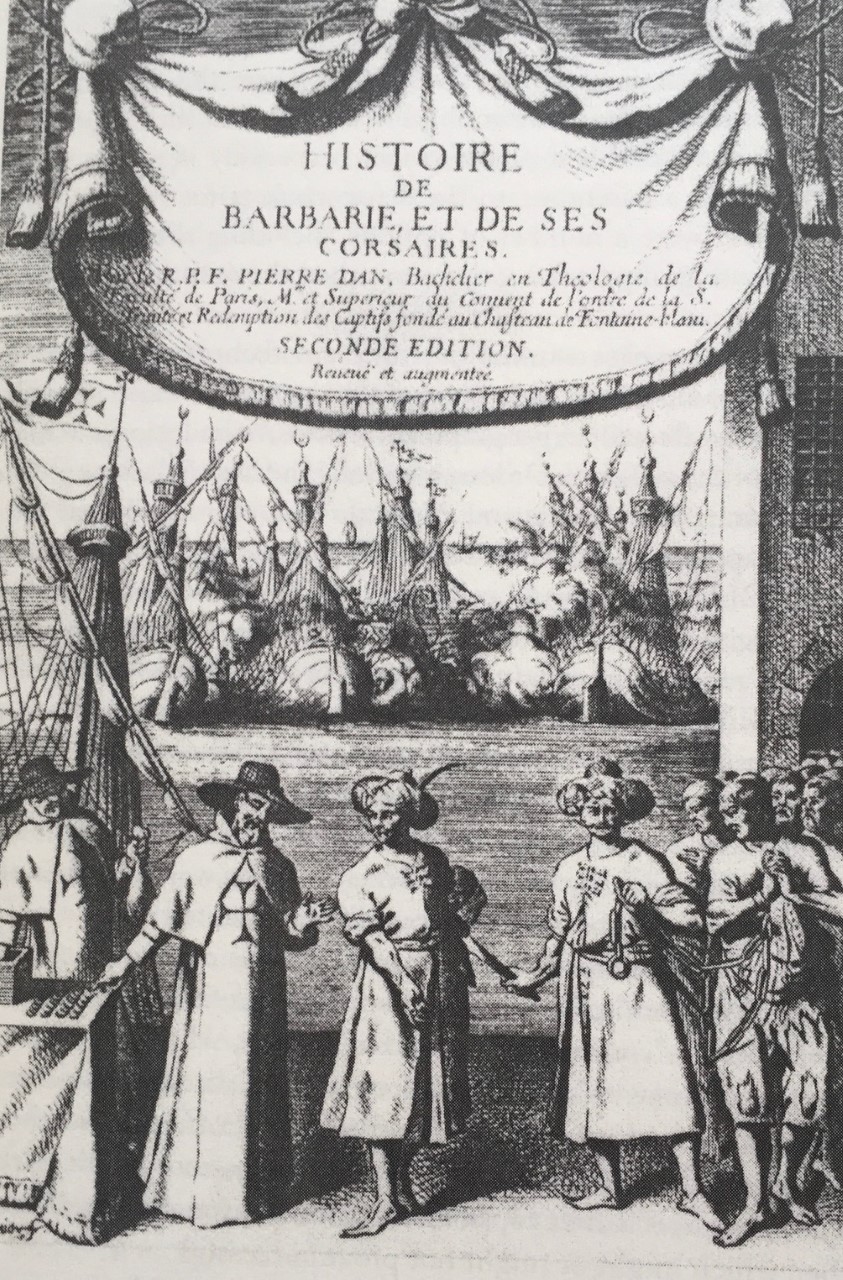
Maria ter Meteelen was a working class Dutch woman, captured by corsairs out of one of the North African pirate strongholds and, like so many thousands of European travellers, enslaved. The Plague at Meknès Meanwhile the plague broke out on the 13th of June in the year 1742. Every day it killed 100 peopleContinue reading “A Redeemed Slave Waits to Go Home – 1742 A.D.”
There is No One Left – India c.1910
The opening chapter of The Secret Garden is not a first person account. Frances Hodgson Burnett was never in India, although at the time the book was written from 1905 and published in 1910-11, Asia was in the middle of the 6th cholera pandemic and she would have had easy access to detailed information.Continue reading “There is No One Left – India c.1910”
Antiphon for Use in Time of Plague 1430 A.D.

After the Battle of Agincourt in 1415, Charles d’Orléans was captured by Henry V and spent some 25 years in prison, hoping to be ransomed. He was a fine poet and at that time became very close to various English Franciscans. This Antiphon, probably composed for the nuns of St Clare at Coimbra, appearsContinue reading “Antiphon for Use in Time of Plague 1430 A.D.”
 Plague Anthology